

Operational Detection: Closing the Gap Between Training Success and Street Reality
Detection dogs often perform well in structured training environments but struggle during real deployments where conditions are complex, unpredictable, and imperfect.
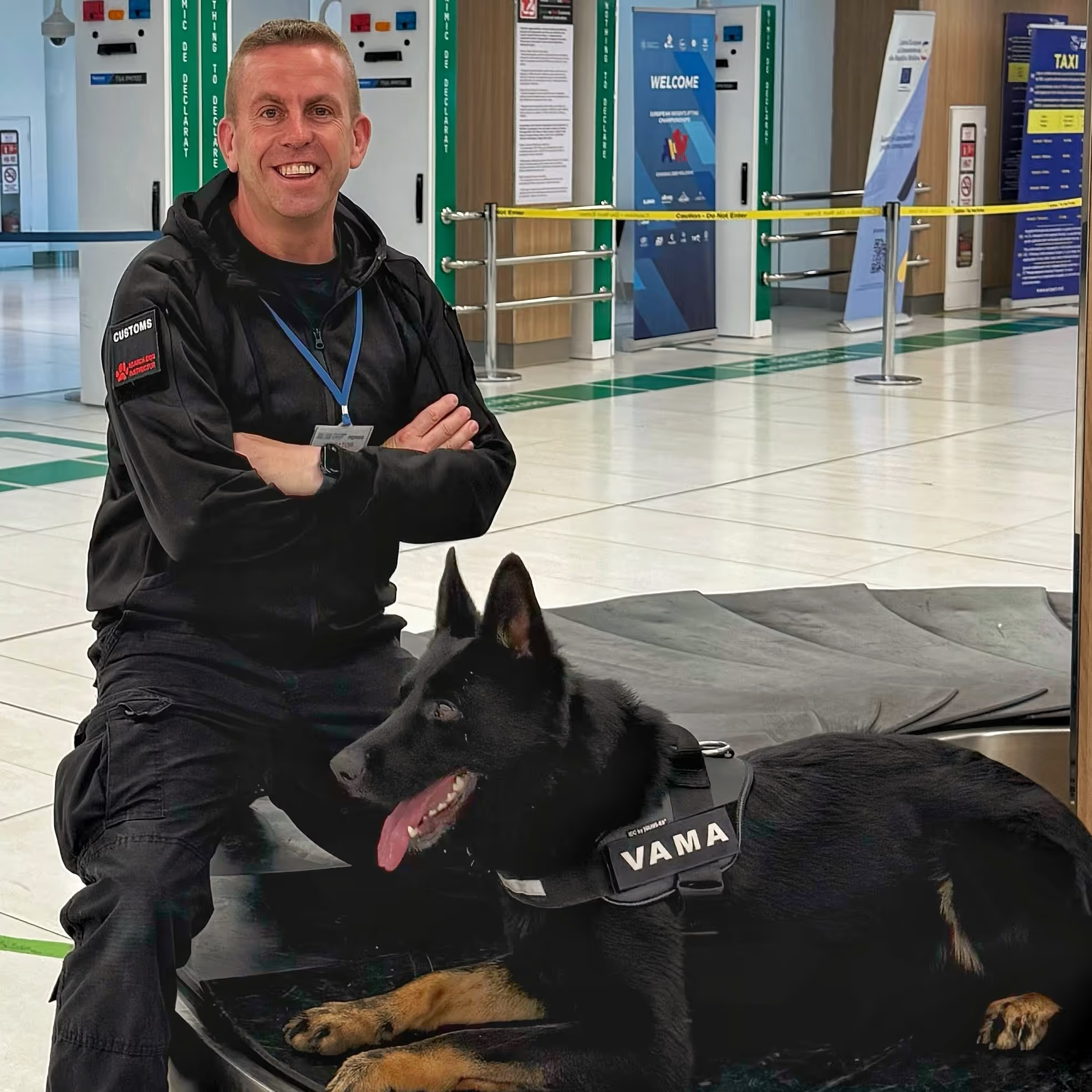

Class overview
Detection dogs often perform well in structured training environments but struggle during real deployments where conditions are complex, unpredictable, and imperfect. This presentation examines why that gap exists and how trainers, handlers, supervisors, and program managers can address it.
Drawing on live operational deployments, international training audits, and incident debriefs, the session explores how training design, handler influence, and expectation can unintentionally create dogs that perform for training rather than detect honestly in the field. Particular focus is placed on the importance of canine independence, accurate interpretation of Change of Behaviour (COB), and the risks of over-reliance on formal final responses.
The presentation also addresses the role of negative and blind searches in building operational credibility, handler confidence, and defensible decision-making. Attendees will gain practical insight into how reward history, patterning, and supervision practices influence real-world performance, often without being recognised.
Rather than presenting drills or equipment-based solutions, this session provides a framework for evaluating detection capability in realistic conditions and aligning training outcomes with operational demands. The content is directly applicable to detection handlers, trainers, supervisors, and managers seeking reliable performance beyond the training environment.
This session explains:
- Detection dogs often perform well in structured training environments but struggle during real deployments where conditions are complex
- why that gap exists and how trainers, handlers, supervisors, and program managers can address it.
- Drawing on live operational deployments, international training audits, and incident debriefs, the session explores how training design, handler
- The presentation also addresses the role of negative and blind searches in building operational credibility, handler confidence, and defensible
Stu Phillips
Stu Phillips is a detection dog operator and instructor focused on operational detection performance.
What past attendees say
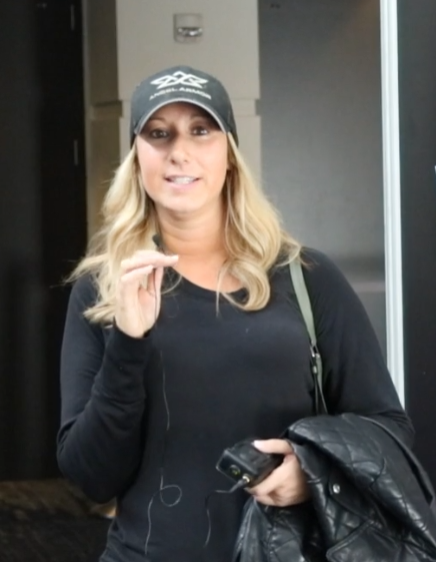
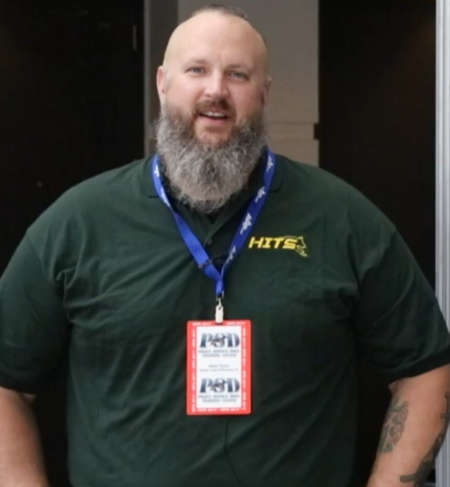
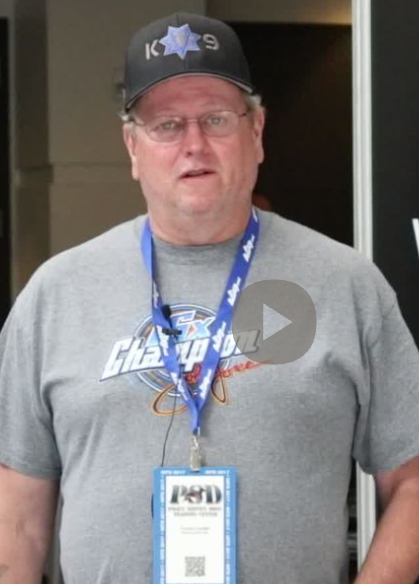
"To the organizers of Handler Instruction & Training Seminar 2026,I was an exhibitor for K9 Tactical Gear Inc at Handler Instruction & Training Seminar 2026. I wanted to express my thanks and appreciation for putting together such a successful event. I had a great experience exhibiting, and everything felt well thought out and organized. I know these events require a lot of hard work behind the scenes, and it showed in how smoothly everything went.Whova was also a great tool to use throughout the event. I relied on it to see who was attending, get updates, and strike up conversations with potential leads. It definitely enhanced my overall experience and helped me make the most out of being an Exhibitor.Best regards,Susan Forbes, K9 Tactical Gear"

"I helped run Twin Oaks Manufacturing’s booth at this event and had such a great time! I especially liked being able to manage our booth profile, see the event schedule, and coordinate demos all through Whova. We had steady traffic and great conversations. Everything ran beautifully, thank you!
"I was part of the Elite Nutrition team and really enjoyed this event, everything was so organized! Having exhibit hall hours and getting live updates in Whova was great. I was never worried I was missing something. We met a lot of attendees and had a fantastic experience. Thanks for hosting!
"Lorem ipsum dolor sit amet, consectetur adipiscing elit. Suspendisse varius enim in eros elementum tristique. Duis cursus, mi quis viverra ornare."
"Lorem ipsum dolor sit amet, consectetur adipiscing elit. Suspendisse varius enim in eros elementum tristique. Duis cursus, mi quis viverra ornare."
"Lorem ipsum dolor sit amet, consectetur adipiscing elit. Suspendisse varius enim in eros elementum tristique. Duis cursus, mi quis viverra ornare."
Secure your seat at HITS 2026
Legal defensibility is not theoretical. It is tested in court.
This class helps handlers and agencies prepare before that moment arrives.

Explore other HITS classes
The Drug Canine Legal Update is one part of a broader HITS program designed to strengthen deployment judgment, detection reliability, and operational decision-making in the field. Additional sessions expand that learning across tracking, behavior, detection science, and tactical leadership.