

Building Reasonable Suspicion Through Conversation During Consensual Encounters
This course gives officers practical skills for developing reasonable suspicion through casual conversation during consensual encounters.
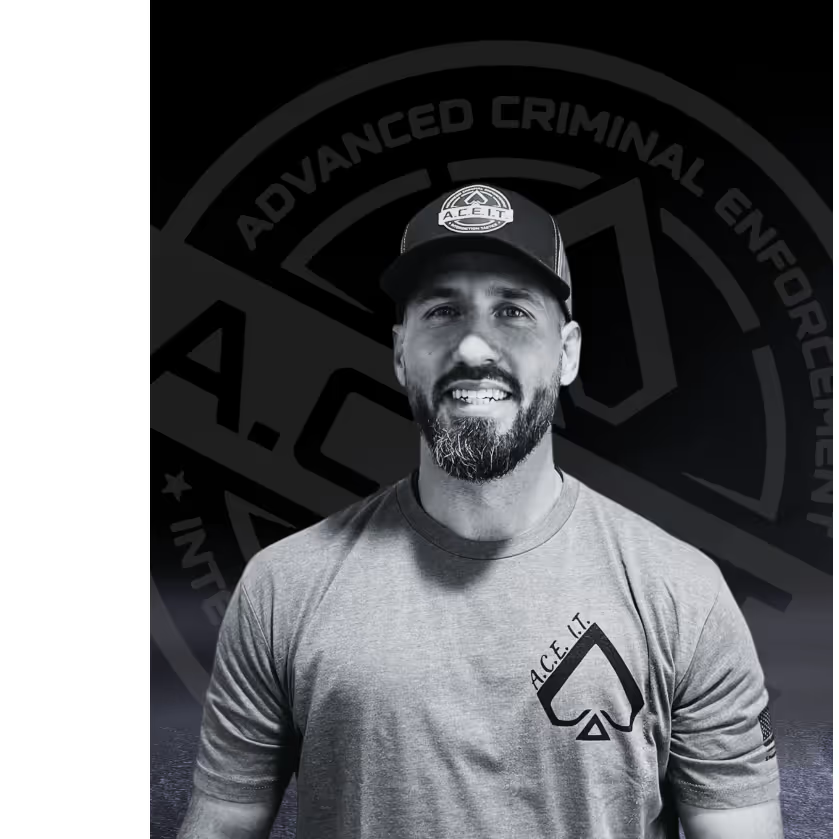

Class overview
This course gives officers practical skills for developing reasonable suspicion through casual conversation during consensual encounters. Using real case examples and body-camera clips, students learn to spot deceptive behavior, recognize criminal indicators, and lawfully move from a Tier 1 consensual contact to a Tier 2 investigative detention.
Training begins with the legal foundation of consensual encounters, including key case law, constitutional limits, and how courts evaluate officer actions. Officers learn how to start and maintain voluntary, low-pressure conversations while staying within Tier 1 guidelines.
A major section covers signs of deception—delayed answers, inconsistent stories, repeated responses, unusual “thinking time,” and stress-based body language. Students learn how to pair these observations with context and clearly articulate them to support reasonable suspicion.
Once reasonable suspicion is formed, officers are taught how to properly transition to a Tier 2 detention, communicate the detention clearly, and manage the scene professionally.
The course also explains what to do when consent is denied. Officers learn the correct process for detaining a vehicle or luggage for a K-9 sniff, legal rules for prolonging a stop, and how to avoid suppression issues. Scenarios walk students through requesting a canine unit and articulating the need for continued detention.
This session explains:
- signs of deception—delayed answers, inconsistent stories, repeated responses, unusual “thinking time,” and stress-based body language
- This course gives officers practical skills for developing reasonable suspicion through casual conversation during consensual encounters.
- Training begins with the legal foundation of consensual encounters, including key case law, constitutional limits, and how courts evaluate officer
- Officers learn how to start and maintain voluntary, low-pressure conversations while staying within Tier 1 guidelines.
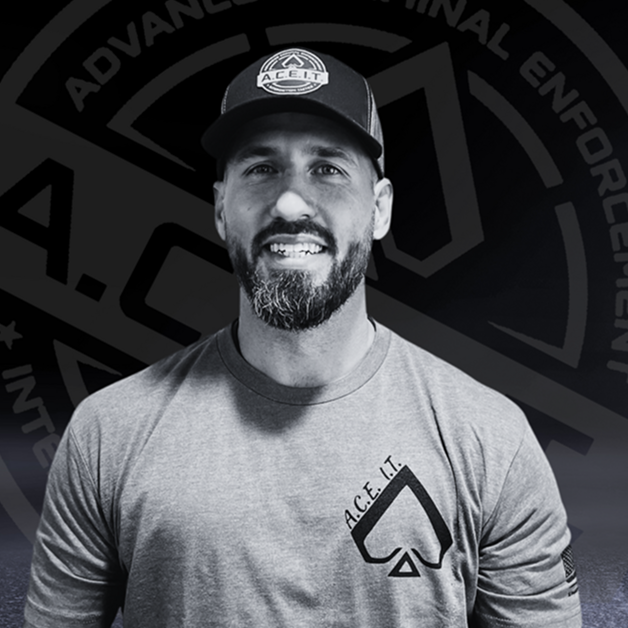
Nicholas Bonney
Nic Bonney is an instructor with Ace Interdiction Tactics and investigator/TFO with the Nebraska State Patrol, specializing in consensual encounters and parcel interdiction.
What past attendees say
"To the organizers of Handler Instruction & Training Seminar 2026,I was an exhibitor for K9 Tactical Gear Inc at Handler Instruction & Training Seminar 2026. I wanted to express my thanks and appreciation for putting together such a successful event. I had a great experience exhibiting, and everything felt well thought out and organized. I know these events require a lot of hard work behind the scenes, and it showed in how smoothly everything went.Whova was also a great tool to use throughout the event. I relied on it to see who was attending, get updates, and strike up conversations with potential leads. It definitely enhanced my overall experience and helped me make the most out of being an Exhibitor.Best regards,Susan Forbes, K9 Tactical Gear"

"I helped run Twin Oaks Manufacturing’s booth at this event and had such a great time! I especially liked being able to manage our booth profile, see the event schedule, and coordinate demos all through Whova. We had steady traffic and great conversations. Everything ran beautifully, thank you!
"I was part of the Elite Nutrition team and really enjoyed this event, everything was so organized! Having exhibit hall hours and getting live updates in Whova was great. I was never worried I was missing something. We met a lot of attendees and had a fantastic experience. Thanks for hosting!
"Lorem ipsum dolor sit amet, consectetur adipiscing elit. Suspendisse varius enim in eros elementum tristique. Duis cursus, mi quis viverra ornare."
"Lorem ipsum dolor sit amet, consectetur adipiscing elit. Suspendisse varius enim in eros elementum tristique. Duis cursus, mi quis viverra ornare."
"Lorem ipsum dolor sit amet, consectetur adipiscing elit. Suspendisse varius enim in eros elementum tristique. Duis cursus, mi quis viverra ornare."
Secure your seat at HITS 2026
Legal defensibility is not theoretical. It is tested in court.
This class helps handlers and agencies prepare before that moment arrives.

Explore other HITS classes
The Drug Canine Legal Update is one part of a broader HITS program designed to strengthen deployment judgment, detection reliability, and operational decision-making in the field. Additional sessions expand that learning across tracking, behavior, detection science, and tactical leadership.